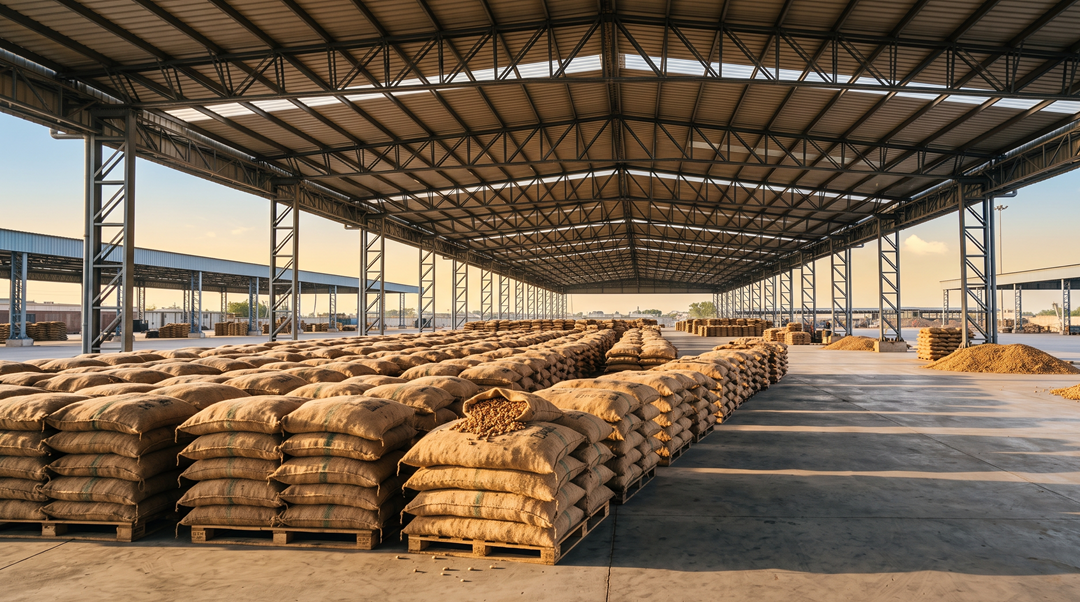
Domestic spot trading for commercial oilseeds across Western India is displaying strong structural consolidation as seasonal volume fluctuations contract immediate supply availability. The steady performance of Gujarat APMC peanut prices highlights a highly balanced localized market scenario where immediate processing demand is effectively matching restricted agricultural inputs. This tight physical equilibrium is restricting downside price movements even as global maritime freight variables fluctuate.
Mandi Pricing Benchmarks and Arrival Data
Physical transaction logs sourced directly from the regional agricultural produce market committees reveal a steady, well-supported price trajectory for primary bold variants. At the benchmark Gondal APMC yard, the modal trading price for bulk groundnuts has established a firm baseline at ₹7,205 per quintal. The broader transactional spectrum across the Rajkot district indicates a minimum entry point of ₹5,500 per quintal for standard oil-crushing grades, while premium, high-count bold varieties suitable for sorting and hand-picked selected (HPS) processing are capturing peak prices up to ₹7,980 per quintal. Arrival volumes are reflecting standard off-season constraints, preventing any accumulation of unsold inventory at the trading floors.
Processing Demand and Industrial Consolidation
The core factor preventing spot market price depreciation is the consistent demand coming from domestic extraction plants and specialized snacking manufacturers. With global peanut oil market valuations projected to experience a sustained compound annual growth rate, domestic oil refiners are actively purchasing available spot arrivals to maintain optimum industrial processing capacity. This industrial buying interest creates a competitive buffer against the export sector, meaning that sorting facilities must consistently bid at or above the modal mandi average to prevent their raw material from being diverted into regional oil expellers.
India Export Perspective and Procurement Alignment
For export operators managing shipping commitments out of major maritime hubs like Mundra and Kandla, these consolidated spot prices demand a disciplined approach to physical raw material procurement. Given that the modal price of ₹72.05 per kilogram at the mandi level does not include internal transport, cleaning, grading, or custom packaging overheads, margins on basic bold and split products remain highly compressed. Exporters catering to volume-driven buyers in Bangladesh or the Middle East must ensure their forward sales calculations are pegged directly to these active spot realities rather than relying on historical seasonal averages.
Key Takeaway for Peanut Exporters: Exporters should lock in immediate spot procurement needs at current stable mandi rates to protect operating margins before any potential festival-driven domestic demand creates sudden local price spikes.
Sources: KisanDeals Mandi Intelligence (https://www.kisandeals.com/mandiprices/GROUNDNUT/GUJARAT/GONDAL), CMV360 e-Mandi Records (https://www.cmv360.com/emandi/pomegranate/gujarat)