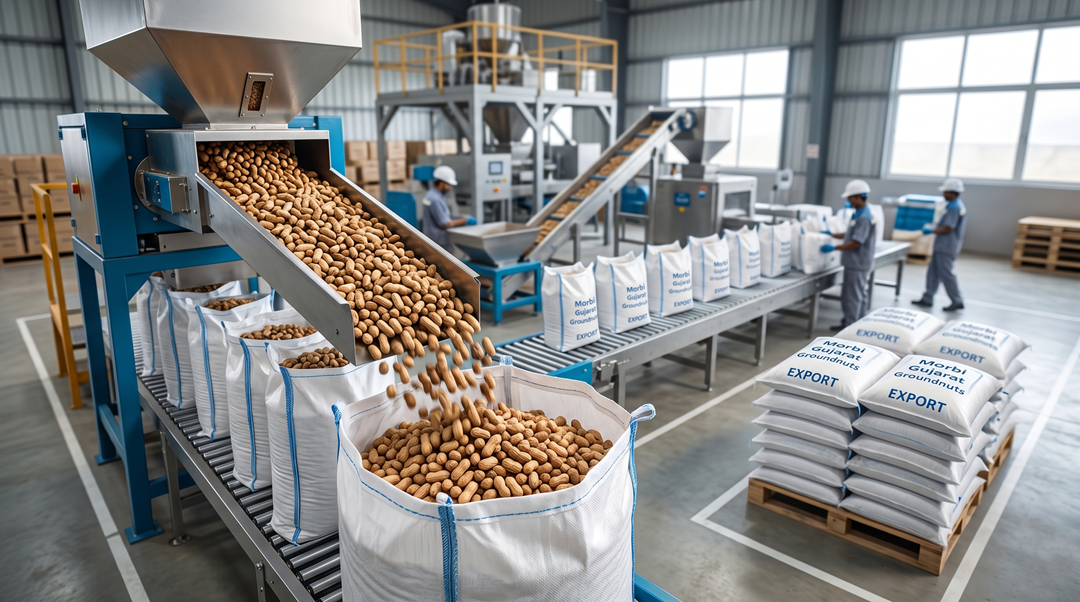
The physical trade across major domestic agricultural hubs is experiencing a wave of tightening supplies as seasonal weather shifts introduce uncertainty. Old-crop stocks are rapidly depleting across western producing zones, giving sellers the upper hand in the near term. Consequently, Indian peanut prices are trading with a clear upward bias as domestic market dynamics respond to slow field activity.
Delayed Sowing and Tightening Mandi Arrivals
According to the latest mandi data from the Commodity Board, a slow and rain-deficient start to the June monsoon has significantly delayed kharif groundnut sowing across primary growing belts in western India. Pan-India rainfall is tracking approximately 40% below normal for the month, forcing farmers to pause early planting operations until substantial moisture levels materialize. In major trading yards like the Gondal APMC and Rajkot mandi, daily arrival volumes have contracted. Residual high-quality bold kernels are being tightly held by local traders and farmers who anticipate a sharper market rally if the rainfall deficit extends into early July.
Government Procurement Strengthens the Price Floor
The market’s downside risk is heavily limited by recent policy interventions aimed at protecting agricultural oilseeds. Under the Price Support Scheme, the central government recently greenlit the large-scale groundnut procurement of over 41,000 metric tonnes of summer-season crops specifically for the state of Gujarat. Market analysts indicate this large-scale official intervention effectively insulates the domestic sector against distress selling, keeping spot rates comfortably elevated above the Minimum Support Price. Current modal groundnut prices at coastal Gujarat centers, such as Veraval and nearby Morbi regions, are holding strong between ₹5,800 and ₹6,500 per quintal, keeping export-linked FOB values well-supported.
International Shipments and Export Outlook
From an export perspective, the current domestic price firming is keeping West India port shipments competitive but carefully calibrated. Buyers in major price-sensitive destinations, particularly within Southeast Asia and China, are demonstrating active interest but remain highly observant of the domestic monsoon’s progress before engaging in massive, long-dated forward contracts. For processing units managing premium bold and java specifications, the priority shifts toward careful inventory management. Current export offers remain resilient, yet shellers are advised to maintain strict offer discipline while utilizing brief price spikes to lock in near-term maritime shipments.
Key Takeaway for Peanut Exporters:
Exporters should focus on securing high-spec bold kernels from immediate mandi arrivals to fulfill near-term July shipments before potential monsoon shortages trigger aggressive domestic price hikes.
Sources: Commodity Board (https://commodity-board.com/indian-peanut-prices-edge-higher-as-weak-monsoon-delays-sowing), Commodity Online (https://www.commodityonline.com/mandiprices/groundnut/gujarat)